Game Day SVG Design: An Embroidery Review
As a professional embroidery designer and product reviewer, I approach every new digital asset with a specific question: will this actually stitch out cleanly on real fabric? When evaluating the Game Day SVG Design, my focus shifts immediately from the screen to the hoop. This design captures that energetic, spirited mood essential for sports-themed projects, but as any experienced maker knows, a beautiful vector graphic must translate into functional stitches. Whether you are creating custom apparel for a local team or stocking an Etsy shop with seasonal gear, understanding how this graphics file performs in a machine embroidery context is vital for producing high-quality handmade products.
First Impressions and Visual Personality
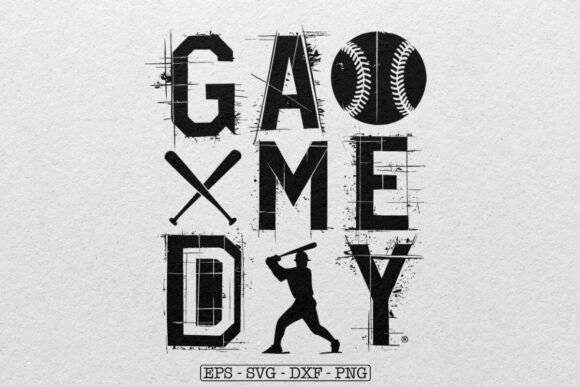
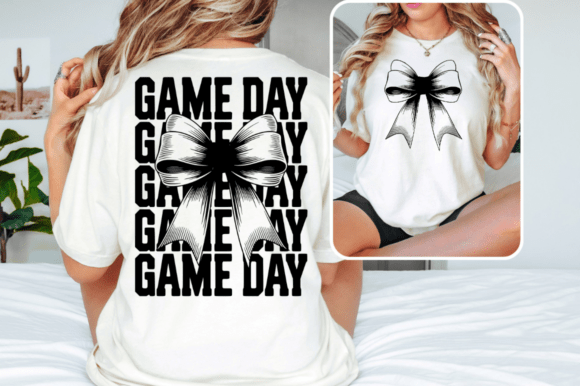
Upon opening the files, the Game Day SVG Design presents a bold, athletic aesthetic that feels versatile across multiple sports. The layout suggests a dynamic composition suitable for baseball, basketball, or soccer themes without being overly cluttered. For an embroidery project, this balance is crucial. Designs that are too intricate often lose definition when converted to stitches, while those that are too simple can look cheap on finished goods. This design strikes a confident middle ground, offering enough visual weight to stand out on a sweatshirt or tote bag while retaining the clean lines necessary for digitizing.
The personality of this graphic leans towards celebratory and active. It does not feel static, which makes it an excellent candidate for merchandise intended to be worn in motion. From a designer’s perspective, the shapes appear conducive to both satin stitch borders and fill stitch interiors. However, because this is a digital download including SVG and EPS formats rather than a pre-digitized embroidery file, the success of the final product relies heavily on your digitizing skills or your chosen auto-digitizing software’s ability to interpret these vector paths accurately.
Real-World Application: The Custom Sweatshirt Test
To truly evaluate this design, I mentally placed it in a real-life production scenario: creating a personalized crewneck sweatshirt for a boutique client. Sweatshirt fleece is a forgiving yet textured fabric that demands respect. In this context, the Game Day SVG Design serves as a strong centerpiece. The bold nature of the graphic allows for adequate underlay stitching, which is non-negotiable for preventing fabric distortion on knit materials.
For this specific application, I envision using a combination of techniques. A running stitch could define the internal details to reduce bulk, while satin stitch columns would frame the outer edges for a polished, commercial embroidery look. Because the design is sport-agnostic in its core structure, it offers incredible value for small business owners who need one master template to serve multiple niches. You could easily adapt this single design asset for a fall baseball league, a winter basketball tournament, or a spring soccer camp simply by adjusting thread colors and perhaps adding a small text element below the main graphic.
Navigating Fabric Challenges and Hoop Limitations
While the design shows promise, practical judgment requires identifying where caution is needed. Not every surface is friendly to athletic graphics. If you plan to use the Game Day SVG Design on performance wear or stretchy athletic mesh, you must account for fabric instability. These materials shift aggressively during stitching. Without proper stabilizer and potentially a topping, even the best-digitized version of this design could result in misaligned registration or puckering.
Small hoop sizes also present a challenge. If you intend to resize this design down for a baby embroidery project or a cap logo, you must scrutinize the detail level. Elements that look crisp at four inches may turn into thread blobs at two inches. Before committing to a production run on baby clothes or hats, verify that the smallest text or accent lines remain distinct after scaling. Caps introduce the additional variable of curvature; flat vector designs often require manual adjustment to compensate for the cylindrical shape of a hat frame to prevent the top and bottom edges from distorting.
Furthermore, consider the washing requirements of the finished product. Game day gear gets dirty. If this design features large blocks of dense fill stitch, it may become stiff and uncomfortable against the skin after repeated laundering. As a reviewer, I always advise testing stitch density on scrap fabric first. You may need to adjust the fill patterns to a lighter texture or incorporate more negative space to ensure the embroidered patch or garment remains soft and wearable.
Impact on Product Value and Customer Trust
In the competitive world of Etsy sellers and craft businesses, presentation dictates price. A clean, professional stitch-out of the Game Day SVG Design signals quality to buyers. Conversely, poor tension or lost details suggest amateur work. When this design is executed well, it elevates the perceived value of tote bags, aprons, and holiday gifts. Customers trust makers who understand their materials, and seeing a design that sits flat without excessive jump stitches or trims builds that confidence instantly.
For digital product sellers offering printable mockups, this SVG format is equally valuable. High-quality mockups help bridge the gap between imagination and reality for clients. However, always remember that a vector mockup looks perfect by default. Your job as a creator is to ensure the physical reality matches the digital promise. Using this design effectively means acknowledging the difference between screen pixels and thread tension.
Essential Designer Notes for Success
Before you load this file into your software or machine, adhere to these practical checkpoints to protect your time and materials:
- Verify Licensing: Confirm whether your purchase includes commercial rights for selling finished products or if it is limited to personal use. This distinction is critical for Etsy sellers and small shop owners.
- Test Stitch Density: Since this is a vector file, your digitizing settings determine the outcome. Run a test on the exact fabric you intend to use for the final project to check for stiffness or gaps.
- Check Thread Contrast: Athletic designs often rely on high contrast. Test your color palette on both light and dark backgrounds to ensure visibility, especially if using tone-on-tone threads for a subtle look.
- Stabilizer Selection: Match your backing to the fabric weight. Cut-away stabilizer is generally safer for knits and stretch fabrics used in game day apparel, while tear-away may suffice for stable woven tote bags.
- Mockup Accuracy: When creating listings, use realistic textures in your printable mockup rather than flat vectors to set accurate customer expectations regarding how embroidery actually looks.
- Detail Inspection: Zoom in to 400% in your embroidery software to inspect corner points and overlaps. Vectors can have hidden nodes that cause unnecessary trims or needle penetrations.
Final Thoughts for Makers and Sellers
The Game Day SVG Design holds significant potential for creative entrepreneurs and hobbyists alike. Its versatility across baseball, basketball, and soccer contexts makes it a smart investment for those looking to expand their seasonal catalog. However, its success as a machine embroidery design depends entirely on thoughtful execution. By respecting fabric limitations, testing rigorously, and prioritizing stitch quality over speed, you can transform this digital graphic into a profitable, professional-grade asset. Whether you are stitching a personalized gift for a little leaguer or building a brand around sports apparel, let practical craftsmanship guide your creative decisions.