Go Eagles Leopard SVG: A Designer's Stitch Test
When evaluating a new machine embroidery design for my shop, I look past the digital preview and immediately imagine how it will behave under the needle. The Go Eagles Leopard Svg, Go Eagles Svg caught my eye because it merges two distinct aesthetics: spirited team loyalty and trendy leopard print. As a designer who creates custom apparel and personalized gifts, I know that combining bold lettering with complex texture patterns is where many files fail. This review breaks down how this specific graphic translates from a digital cut file into a tangible, high-quality embroidered product suitable for commercial sale or personal gifting.
First Impressions: Balancing Trend and Team Spirit
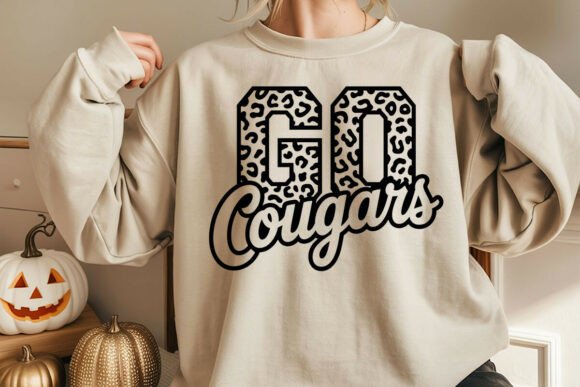
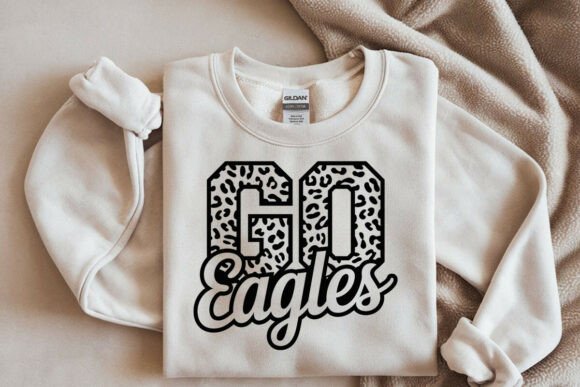
My initial assessment of the Go Eagles Leopard Svg focuses on its visual hierarchy. In the world of Crafts and Graphics, "cheer mom" designs often suffer from being too cluttered or overly cutesy. This design, however, strikes a confident balance. The integration of the leopard pattern within the block lettering suggests a modern approach to fan gear. It does not look like a generic clip-art paste job; rather, it feels like a cohesive brand asset. For an Etsy seller or boutique owner, this matters immensely. Customers are looking for merchandise that feels fashionable first and fan gear second. The mood is energetic yet polished, making it appropriate for adult apparel rather than just youth wear. When I load this embroidery file into my software, I am checking to see if the leopard spots are defined as individual stitch objects or merely a dense fill, as this dictates the final texture and drape of the fabric.
Real-World Application: The Cheer Mom Sweatshirt Test
To truly judge the viability of the Go Eagles Football Svg for a handmade product, I mentally walked through a recent client request: a custom crewneck sweatshirt for a football mom wanting something stylish for Friday night games. This scenario is the ultimate stress test for any cheer mom t-shirt design or sweatshirt embroidery file.
In this real-life application, the design needs to hold up against fleece texture and frequent washing. If I were stitching this out today, I would position it as a center chest placement, approximately 6 to 8 inches wide. The leopard detail requires enough surface area to remain distinct; shrinking this design down to a 3-inch pocket logo would likely cause the animal print to become a muddy blob of thread. For a tote bag design or apron, the larger scale works beautifully, allowing the satin stitch outlines and fill stitch interiors to shine. However, for baby embroidery or small nursery decor, I would advise caution. The intricate nature of the leopard pattern demands a minimum size to maintain clarity. Always verify the specific dimensions included in your ZIP file bundle before committing to smaller projects like caps or baby onesies.
Fabric Compatibility and Stabilizer Strategy
The success of the Go Eagles Leopard Svg relies heavily on your choice of stabilizer and fabric. Because this design combines text with a textured pattern, it carries moderate to high stitch density. Here is how I approach different substrates when using this digital embroidery file:
- Cotton T-Shirts: Use a medium-weight tear-away stabilizer. The leopard fill can be heavy, and without adequate support, you risk puckering around the letters. A light topping is also recommended to prevent stitches from sinking into the knit.
- Fleece and Sweatshirts: These are ideal for this design. The loft of the fleece helps the leopard texture pop. Use a cut-away stabilizer for permanent support, as the weight of the embroidery could distort the garment over time without it.
- Tote Bags and Canvas: This is perhaps the safest application. The sturdy fabric handles the stitch count effortlessly. You may only need a medium tear-away, but ensure your hoop tension is even to avoid flagging.
- Caps and Curved Surfaces: Proceed with care. Unless the file includes a specific cap version with adjusted pull compensation, flat designs can distort on curved brims. Test on a scrap cap first.
If you are working with dark fabrics, remember that the contrast between the thread colors and the base material defines the design. Leopard print relies on tonal variation. On black fabric, ensure your tan and brown threads have enough luminosity to stand out, or consider adding a white underlay to boost color vibrancy.
Technical Considerations for Commercial Embroidery
For creative entrepreneurs selling finished products, technical consistency is key to customer trust. When preparing the Go Eagles Svg for production runs, pay close attention to the transition points between the lettering and the leopard fill. Poorly digitized files often have excessive jump stitches or trims in these areas, which increases production time and reduces perceived value. Inspect the stitch pathing in your editing software. If the design uses running stitch outlines to define the leopard spots, ensure they are smooth and not jagged. Jagged lines read as amateurish on a finished product.
Additionally, consider the washability of the item. High-density fill stitches can create a stiff patch on lightweight fabrics. If you plan to use this for summer wear or lighter knits, check if the embroidery file offers a low-stitch-count variation or an applique design option. Appliqué versions of the Go Eagles Leopard Svg would significantly reduce stitch count while maintaining the visual impact, making them superior for baby clothes or performance wear. Always confirm the licensing terms included in your download before listing items for sale. While the description mentions separate files and bundles, verifying whether commercial use extends to digital resale versus physical product sales is essential for protecting your business.
Elevating Product Value Through Presentation
Beyond the stitching itself, how you present this design affects buyer engagement. When creating printable mockups or listing photos for your Etsy shop, showcase the texture. Flat digital images do not convey the quality of embroidery. Photograph the finished sweatshirt or tote bag at an angle that catches the light on the satin stitches. Highlight the precision of the leopard details in close-up shots. This proves to potential buyers that your handmade product is professional grade.
Furthermore, think about bundling. Since this product comes with options for single designs or zip rar bundles, leverage that variety. Offer the Go Eagles Leopard Svg as part of a "Game Day Collection" alongside simpler text-only versions. This caters to customers who love the trend but might prefer a less dense stitch option for certain garments. By understanding the practical limitations and strengths of this graphics asset, you transform a simple SVG file into a versatile revenue stream. Whether you are crafting a personalized gift for a friend or stocking your boutique for football season, treating this design with professional scrutiny ensures the final result honors both the craft and the customer.
Final Designer Notes Before You Stitch
Before hooping your best inventory, always run a test stitch-out on scrap fabric that matches your final project weight. Check thread color contrast against the specific fabric dye lot, as monitor screens often misrepresent true thread shades. Review the stitch density settings in your machine software; sometimes factory defaults are too dense for modern stretch fabrics. Confirm your hoop size accommodates the design with adequate margin for stabilization. Finally, inspect small details like the inner curves of the letters and the edges of the leopard spots. These are the first areas to show registration errors. By taking these practical steps, the Go Eagles Leopard Svg becomes more than just a digital download—it becomes a reliable staple in your embroidery project lineup, capable of delivering professional results that delight clients and withstand the rigors of game day wear.