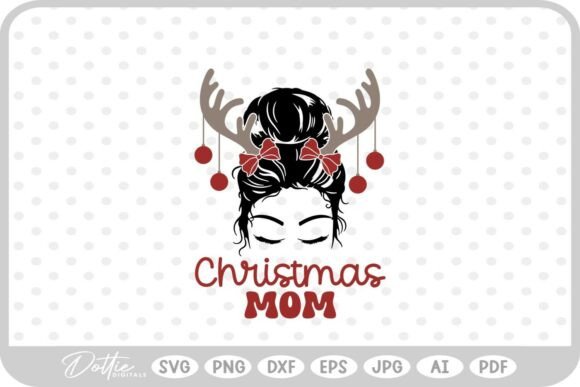
Mom Christmas Messy Bun SVG PNG DXF Review
As a professional embroidery digitizer and product reviewer, I approach every new graphic with a specific question: will this actually stitch out well on fabric? When evaluating the Mom Christmas Messy Bun SVG PNG DXF for real-world application, my focus shifts immediately from digital aesthetics to structural integrity. This design captures a very specific cultural moment—the relatable, busy holiday mom aesthetic—but translating that vibe into a tangible handmade product requires more than just hitting the start button on your machine. Having tested similar graphics across various mediums, I see this asset as a strong contender for seasonal inventory, provided you understand its limitations and strengths in a production environment.
First Impressions and Seasonal Mood
The visual personality of this graphic is undeniably cozy yet energetic. The messy bun motif combined with Christmas elements creates an instant emotional connection with the target demographic. From a design perspective, the lines appear clean enough to serve as a solid foundation for digitizing or cutting. However, as an experienced designer, I look for balance. Does the hat sit correctly on the head? Are the hair wisps too thin to survive a wash cycle? The layout suggests a centered composition that works beautifully for chest placements on sweatshirts or tote bags. It avoids being overly juvenile, making it appropriate for adult apparel and boutique merchandise rather than just kids' crafts. This maturity in the design elevates it from a simple clipart file to a viable commercial embroidery project asset.
Real-World Application: The Holiday Sweatshirt Test
To truly judge this file, I mentally placed it in a current best-selling scenario: a Gildan 18000 sweatshirt for an Etsy shop. In this context, the Mom Christmas Messy Bun SVG PNG DXF needs to perform under tension. Sweatshirt fleece is textured and stretchy, which can distort intricate details. If I were preparing this for a client order, I would first assess the line weight. For a satin stitch outline around the bun or hat, the lines need sufficient width to prevent tunneling. If the original vector paths are too slender, they must be adjusted during the digitizing process to accommodate thread thickness.
I recently worked on a similar holiday embroidery project where the client wanted a messy bun design on a dark navy crewneck. We found that using a running stitch for internal details within the bun created a sketch-like effect that reduced stitch density significantly. This is crucial because high stitch density on fleece leads to puckering. By utilizing this graphic as a guide for a lighter fill stitch or applique design, we maintained the fabric's drape while ensuring the design remained legible. For those using this as a cutting file for HTV instead, the layered nature of the bun allows for multi-color vinyl applications that mimic embroidery without the needle penetration risks on delicate fabrics.
Navigating Fabric Textures and Hoop Constraints
Not all substrates are created equal, and this design demands careful pairing. While it shines on stable cottons and fleece, I advise caution when applying this to highly textured fabrics like terry cloth towels or ribbed knits. The fine details typical of "messy" hair strands can get lost in the pile of a tea towel. If you intend to use this for kitchen linens, consider simplifying the outer edges or adding a background fill stitch plate to create a smooth canvas for the top threads.
Hoop size is another practical consideration. This graphic likely has a vertical aspect ratio due to the bun and hat stacking. Ensure your machine’s hoop can accommodate the full height without requiring excessive re-hooping, which introduces alignment errors. For smaller hoops, such as 4x4, you may need to scale down the design. Here is where testing becomes non-negotiable. Scaling down reduces stitch spacing; if the design becomes too dense at a smaller size, it will perforate the fabric like a stamp. Always verify that the minimum text or detail size remains above 2mm after resizing to ensure clarity in the finished product.
Critical Considerations for Stretchy and Dark Fabrics
- Stabilizer Selection: For stretchy jerseys or performance wear, always use a cut-away stabilizer. Tear-away options often leave residual stress that distorts the messy bun shape after washing.
- Contrast Management: On dark fabrics, verify that the internal detail colors have enough contrast against both the fabric and the primary thread colors. A red hat on green fabric might need a white outline to pop visually.
- Curved Surfaces: If adapting this for caps, remember that the vertical stack of the bun can be problematic near the crown seam. You may need to flatten the bottom curve of the design to sit properly above the brim.
- Washability: Avoid tiny floating elements (like single snowflakes or hair wisps) less than 3mm wide. These are prone to fraying or detaching after repeated laundering, diminishing the perceived quality of your handmade product.
Commercial Viability and Brand Consistency
For Etsy sellers and small business owners, consistency builds trust. Using the Mom Christmas Messy Bun SVG PNG DXF across multiple product lines—matching sweatshirts, personalized gift tags, and nursery decor pillows—creates a cohesive collection. However, the transition between digital preview and physical item must be seamless. Customers expect the embroidered patch or printed mug to match the listing photo. I recommend creating printable mockups that accurately reflect stitch texture or vinyl sheen rather than flat digital renders. This manages buyer expectations and reduces returns.
Furthermore, consider the licensing implications for your craft business. While the file formats (SVG, PNG, DXF, AI, JPG, PDF) suggest versatility for Cricut and Silhouette users, always confirm whether your purchase includes commercial rights for selling finished physical products versus digital files. As a maker, protecting your business means respecting intellectual property. If you modify this design significantly for embroidery, document your changes. This not only helps with future reproduction but also distinguishes your unique offering from other sellers using the same base graphics.
Designer Notes for Successful Execution
Before committing this design to a sellable inventory, run through this practical checklist derived from years of commercial embroidery experience:
- Test Stitch on Scrap: Never assume the digital file translates perfectly. Stitch a sample on the exact fabric you plan to sell. Check for registration issues between the hat and hair layers.
- Evaluate Stitch Density: Pull the sample apart slightly. If you see gaps or fabric showing through solid areas, increase density. If the fabric is stiff or bulletproof, decrease it.
- Check Thread Colors: View the design in natural daylight. Screen colors often differ from rayon or polyester thread reality. Ensure the skin tones and holiday accents look warm, not washed out.
- Mockup Validation: Create a black and white version of the design. If the silhouette reads clearly without color, the structure is sound. If it turns into a muddy blob, simplify the details before stitching.
- Licensing Verification: Double-check the terms for both personal and commercial use. Ensure you are cleared to sell the finished embroidered item or the customized digital asset.
Ultimately, the Mom Christmas Messy Bun SVG PNG DXF represents a versatile starting point for holiday collections. Its success lies not in the file itself, but in how thoughtfully you adapt it to the physical constraints of thread and textile. By treating this graphic as a blueprint rather than a final destination, you ensure that every sweatshirt, tote bag, or baby item leaving your studio meets the high standards your customers expect. Practical judgment and rigorous testing are what separate hobbyist output from professional-grade merchandise. Take the time to refine the application, and this design will undoubtedly become a staple in your seasonal lineup.