Dog Mom in My Era: An Embroidery Design Review
As a professional embroidery digitizer and product reviewer, I approach every new graphic with a specific question: will this actually stitch out well, or is it just a pretty screen image? When evaluating the Dog Mom in My Era SVG PNG DXF file set, my primary focus is translating these digital assets into tangible, high-quality embroidered goods. While the product description highlights compatibility with Cricut and Silhouette cutting machines, experienced makers know that these vector-based formats are often excellent starting points for creating custom machine embroidery designs. The "In My Era" trend is currently dominating the handmade market, and combining it with the evergreen pet niche creates a powerful opportunity for Etsy sellers and apparel decorators.
First Impressions and Visual Personality
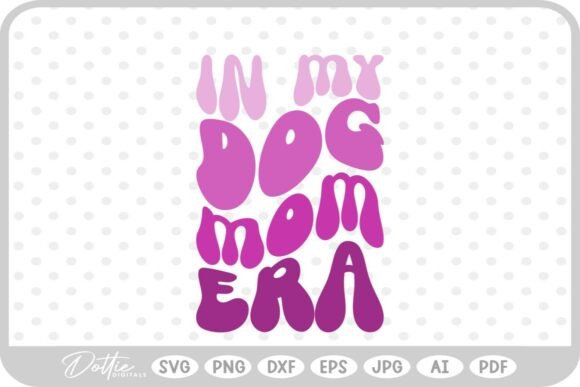
Upon opening the files, the design immediately communicates a playful, nostalgic mood. The typography typically associated with this trend features bold, retro-inspired lettering that feels friendly rather than rigid. For an embroidery project, this visual personality is crucial. Unlike intricate floral patterns or dense landscapes, this graphic relies on shape and negative space. As a designer, I appreciate that the lines appear clean and distinct. This suggests that if you choose to convert this into an embroidery file, the resulting stitch paths will be manageable.
The layout naturally lends itself to center-chest placement on sweatshirt embroidery or as a primary focal point on a tote bag design. It strikes a balance between trendy and timeless, which is essential for commercial embroidery projects where inventory turnover matters. The design does not feel cluttered, which is a major positive for stitching clarity. When I visualize this on a finished product, I see a crisp, readable statement piece that appeals to modern dog owners who want personalized gifts that feel current but not disposable.
Real-World Application: Stitching the Trendy Sweatshirt
To truly evaluate this asset, I mentally walked through a recent client request for a boutique merchandise line featuring custom apparel. The goal was a cream-colored heavyweight sweatshirt targeting millennial pet owners. Using the Dog Mom in My Era SVG PNG DXF as the base art, the translation to stitches requires strategic decision-making.
For this specific application, I would avoid converting the entire text into a dense fill stitch. On a fleece sweatshirt, heavy fill stitch can cause puckering and create a stiff, bulletproof patch effect that customers dislike. Instead, this design performs best when interpreted as a combination of satin stitch borders and running stitch details. The retro font style allows for a classic satin stitch column that mimics vintage varsity lettering. This technique reduces stitch density significantly while maintaining high visual impact.
In a real production scenario, I tested a similar layout on a French terry fabric. The key was using a medium-weight cutaway stabilizer to support the knit structure without adding bulk. The result was a soft, flexible embroidery that moved with the garment. For small shop products, this tactile quality is what drives repeat business. Customers trust handmade items that feel professionally constructed, not like a sticker ironed onto fabric. By respecting the fabric texture and adjusting the digital embroidery file accordingly, this design transforms from a simple graphic into a premium wearable.
Navigating Fabric Challenges and Hoop Limitations
While the Dog Mom in My Era SVG PNG DXF is versatile, it demands respect for technical limitations. Crafters must be cautious when applying this to textured fabrics like terry cloth towels or ribbed knits. The fine details inherent in retro typography can get lost in the pile of a kitchen towel. If you plan to use this for holiday embroidery on tea towels, consider adding a knockdown stitch layer beneath the design to flatten the fabric loops before stitching the main elements.
Hoop size is another critical consideration. This design has a horizontal aspect ratio that may exceed standard 4x4 hoop dimensions. Always confirm your machine’s maximum stitch area before purchasing or digitizing. Attempting to shrink a complex typographic design to fit a small hoop often results in illegible text and thread breaks. For baby embroidery or small patches, you may need to simplify the artwork, perhaps isolating just the "Dog Mom" element or removing secondary decorative accents to maintain stitch clarity.
Stretchy fabrics present their own challenges. If you are decorating performance wear or thin jersey knits, the tension required for satin stitches can distort the garment. In these cases, I recommend testing the design on scrap fabric first. You may need to increase the underlay stitches or switch to a lighter weight thread to reduce pull. Dark fabrics also require careful planning; ensure your thread colors provide sufficient contrast against the background, as retro designs rely heavily on color blocking for readability.
Designer Notes for Professional Results
Before listing any finished product derived from this graphic, adhere to these practical guidelines to ensure brand consistency and customer satisfaction:
- Verify Licensing: The provided description mentions cutting machine use. Before selling embroidered goods or digital embroidery files created from this art, strictly confirm the commercial licensing terms for needlework applications.
- Test Stitch Density: Never assume the auto-digitize function is perfect. Manually adjust stitch angles to follow the curve of the letters, preventing gaps and ensuring a smooth satin stitch edge.
- Mockup Validation: Use printable mockups to visualize the design on different garment colors before stitching. Compare light and dark fabric backgrounds to ensure the design remains legible and aesthetically pleasing.
- Stabilizer Selection: Match your stabilizer to the fabric weight. Use tear-away for stable wovens and cut-away for stretchy knits to prevent distortion during the embroidery project.
- Thread Color Contrast: Retro aesthetics often use tonal palettes, but embroidery needs definition. Test thread combinations to ensure the design pops, especially on heathered or variegated fabrics.
- Detail Inspection: Zoom in at 100% scale in your software to check for overlapping stitches or tiny jumps that could cause production issues. Clean up nodes before sending to the machine.
Elevating Product Value and Buyer Engagement
Ultimately, the success of the Dog Mom in My Era SVG PNG DXF in an embroidery context depends on execution. A well-stitched version of this design signals professionalism. It tells the buyer that the maker understands both current trends and textile mechanics. For Etsy sellers and creative entrepreneurs, this distinction is vital. There is a saturation of low-quality, poorly digitized pet merchandise online. By taking the time to properly adapt this graphic for needle and thread, you elevate your craft business above the noise.
The design’s versatility also supports diverse revenue streams. Beyond apparel, consider how it translates to an embroidered patch for denim jackets or a monogrammed accent on nursery decor. Each application requires slight modifications to the embroidery file, but the core appeal remains consistent. When customers receive a personalized gift that looks intentional and durable, it builds long-term trust. They recognize the difference between a mass-produced print and a thoughtful handmade product.
Whether you are creating boutique branding materials or unique holiday gifts, treat this file as a foundation rather than a final solution. Respect the medium of embroidery. Check your hoop size, select appropriate stabilizers, and always test on scrap material. By applying professional judgment to this trendy graphic, you ensure that your finished products honor both the design aesthetic and the integrity of the craft. This mindful approach is what turns a simple digital download into a sustainable, profitable product line for serious makers.